What is Urethane Casting? The Ultimate Guide to Low-Volume Manufacturing
In the world of product development, bridging the gap between a digital design and a physical, market-ready product is crucial. Vacuum casting (also known as Urethane Casting) is a high-quality, low-cost rapid prototyping process that serves as that perfect bridge.
At Gajes Mold, we often recommend this process because it delivers appearance and performance capabilities that are incredibly close to final injection molded components. Whether you are testing a new design or need a small batch of parts for market entry, Urethane Casting offers the speed and precision you need without the heavy investment of hard tooling.
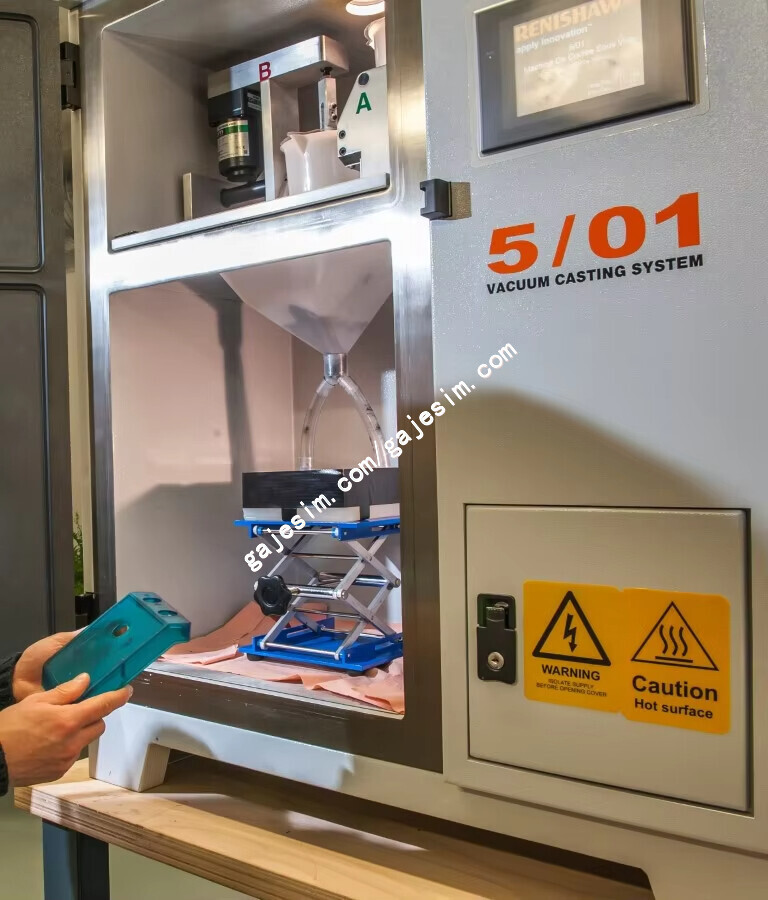
Vacuum casting involves pouring liquid plastic into a silicone mold,then curing it in an oven.A vacuum chamber removes trapped air,ensuring complete cavity filling and bubble-free parts.Supports complex shapes, undercuts, and insert overmolding, offering excellent design flexibility.Use vacuum casting when you need 5–100 parts with production.It offers high repeatability, precise tolerances, and low part costs at scale.It’s ideal for prototypes, functional parts, and high-quality presentation models, such as exhibition pieces or customer samples.

Why choose vacuum casting?

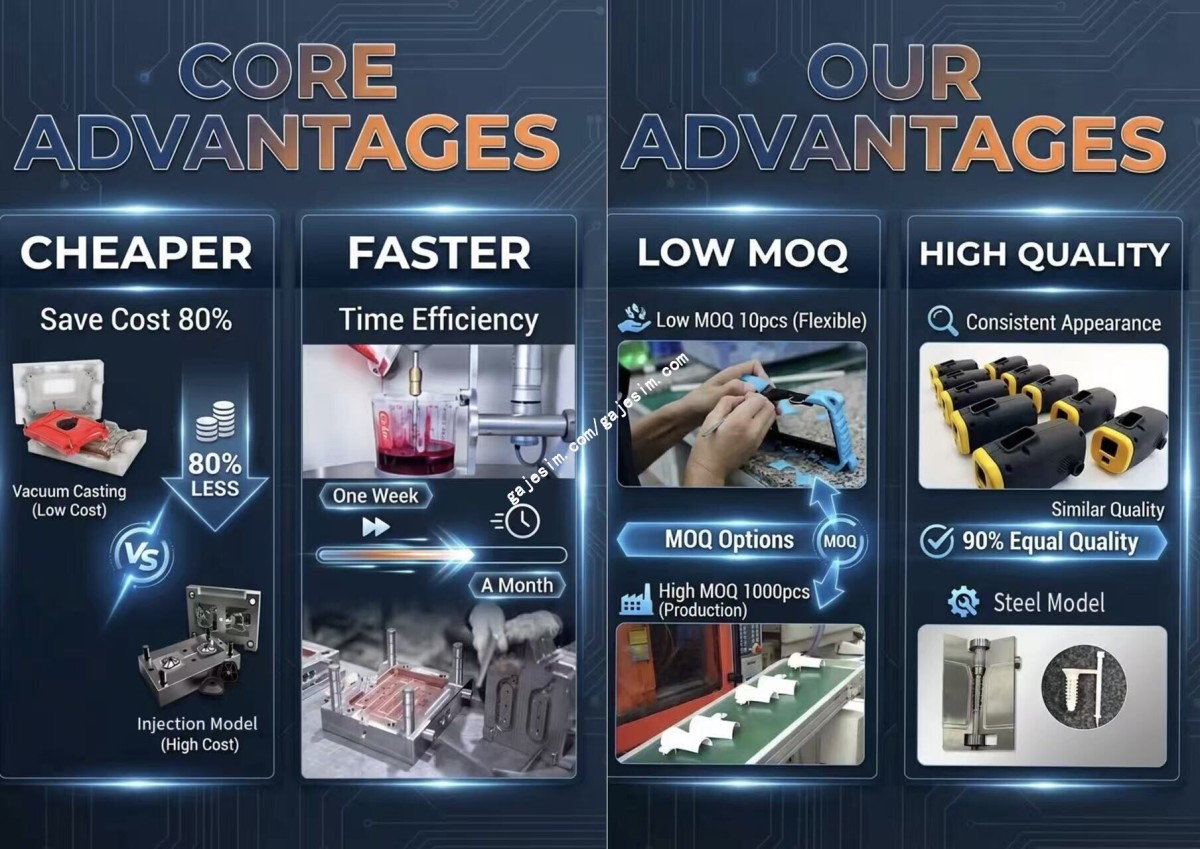
Key Difference BetweenInjection Molding and Vacuum Casting
Here’s a side-by-side comparison of vacuum casting vs injection molding pros and cons:
| Feature | Urethane Casting | Injection Molding |
| Production Volume | Low to medium (~10-100 parts) – best for prototyping & small-batch production | High (1,000+ parts) – ideal for mass production |
| Material Options | Urethane-based resins – great for flexible, rubber-like, or rigid parts | Thermoplastics (ABS, Nylon, PP, etc.) – strong, durable, and heat-resistant |
| Tooling Cost | Low – uses silicone molds that are affordable & quick to produce | High – requires metal molds but lasts for millions of cycles |
| Lead Time | Short (1–2 weeks) – fast mold production, perfect for quick iterations | Long (4–8 weeks) – mold fabrication takes time but enables high-speed production |
| Part Durability | Good detail & flexibility, but less durable for long-term use | High strength & impact resistance – best for automotive & aerospace industries |
| Cost per Part | Higher for large runs due to mold wear and shorter lifespan | Lower for mass production – cost drops as volume increases |
| Parts Complexity | Great for intricate designs with fine details and undercuts | Handles simple to complex designs, but some features may need extra tooling |
What's Urethane Casting Process?
1.Create a 3D Model
The master pattern replicates the final casting parts, determining product quality.Use CAD software such as AutoCAD, SolidWorks, or CATIA.To get optimal results, follow injection molding design rules,such as uniform wall thickness

2.Build the Master Pattern
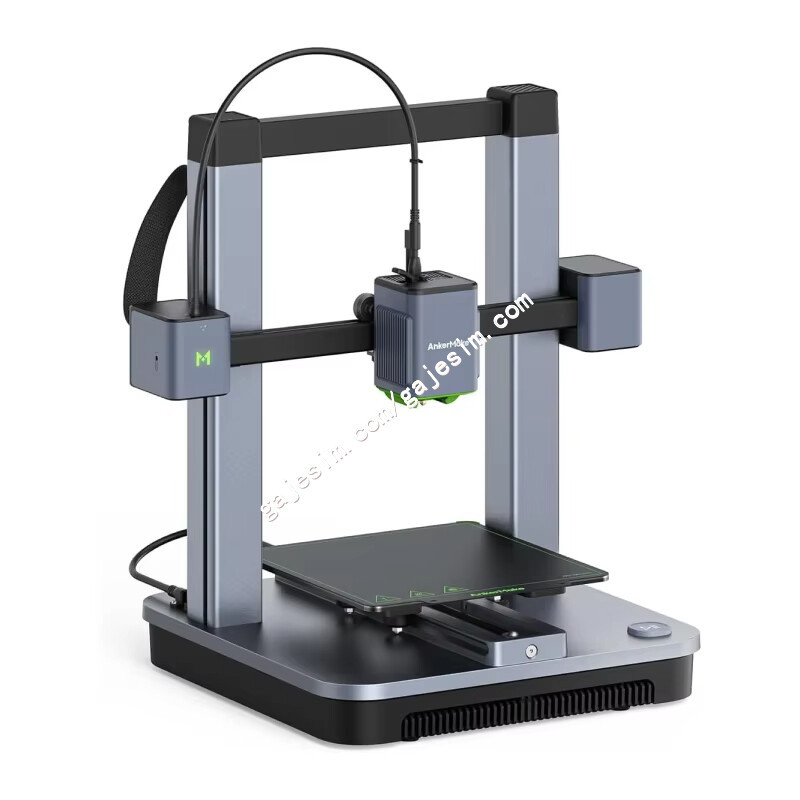
Create the master model via CNC machining or 3D printing.3D printing is faster and cheaper, but CNC offers tighter tolerances.Design considerations include draft angles and wall thickness.

3.Solicone Mold Casting
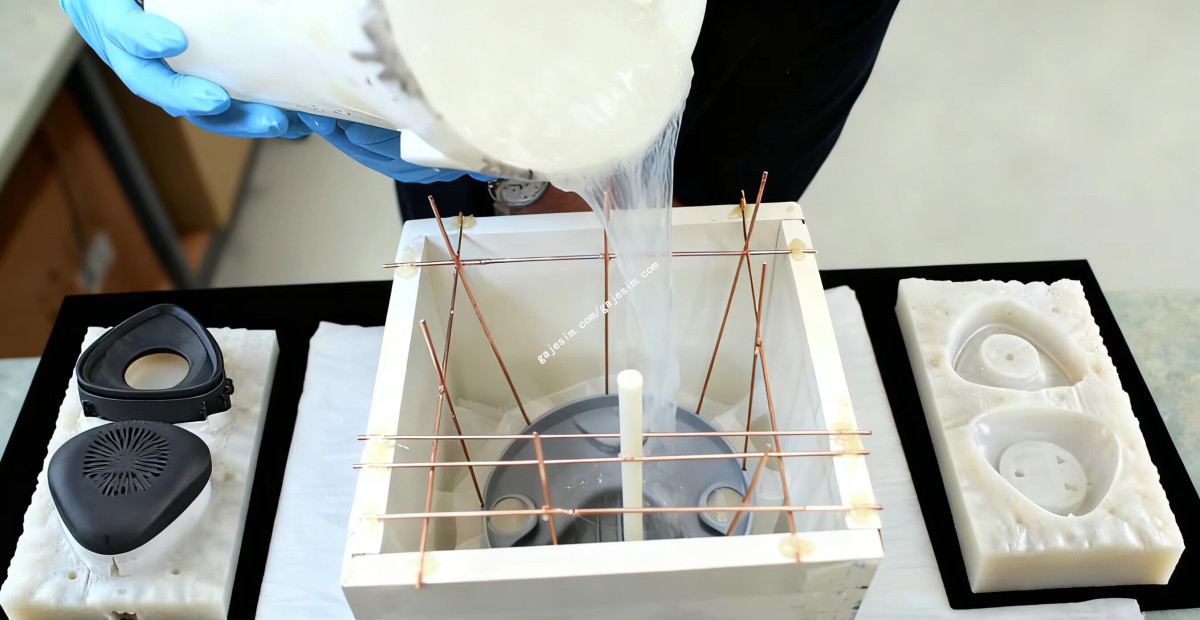
Pour liquid silicone rubber around the master pattern.Most cure in ovens, while RTV molds cure at room temperature. After a few hours, cut along the parting line to remove the master, creating a silicone mold ready for casting.

4.Urethane Pouring
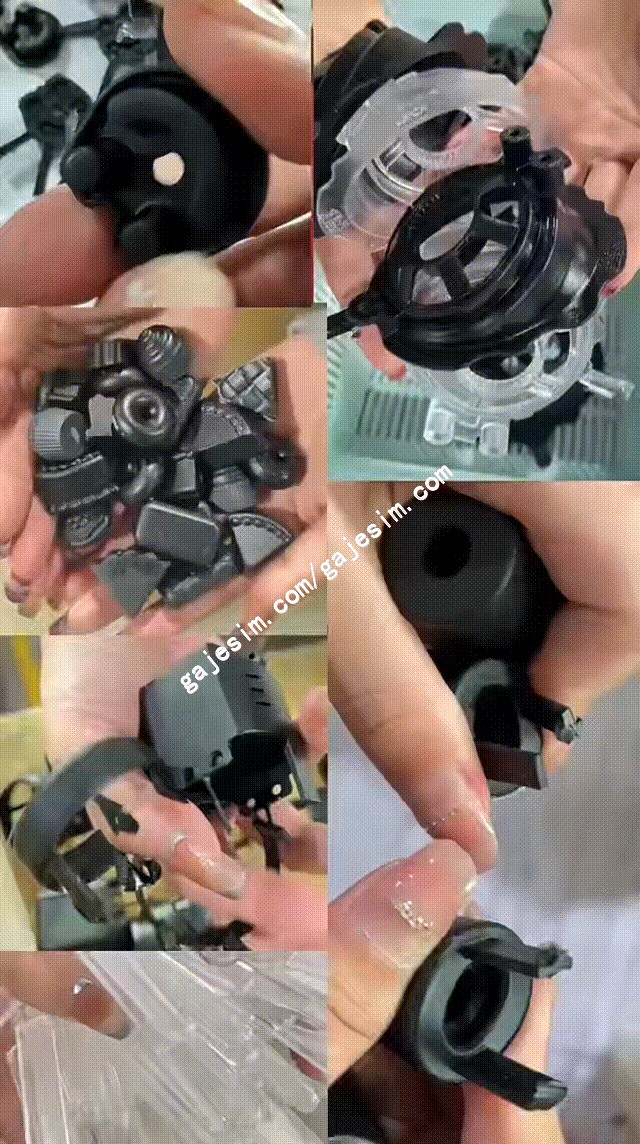
Mix liquid polyurethane resin and pour into molds under vacuum to prevent air bubbles and defects.Curing takes 30 minutes to 2 hours depending on material and size.One mold produces 1-10 copies daily. Cast urethane parts may require post-processing.

5. Demold the Parts
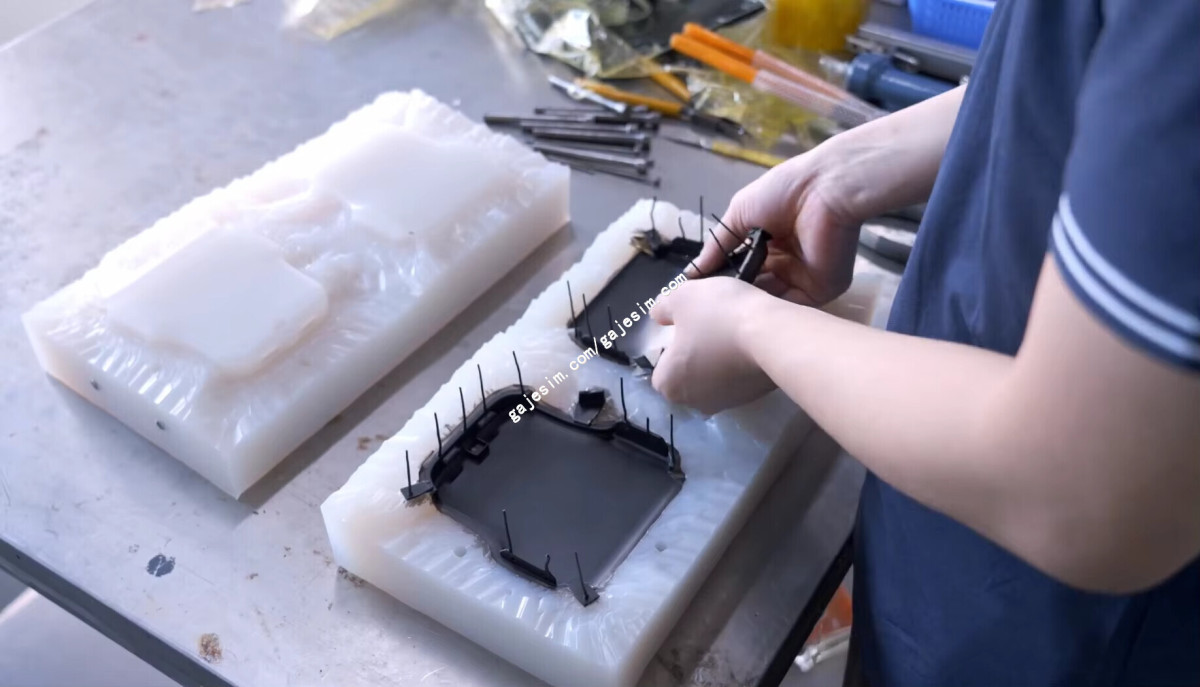
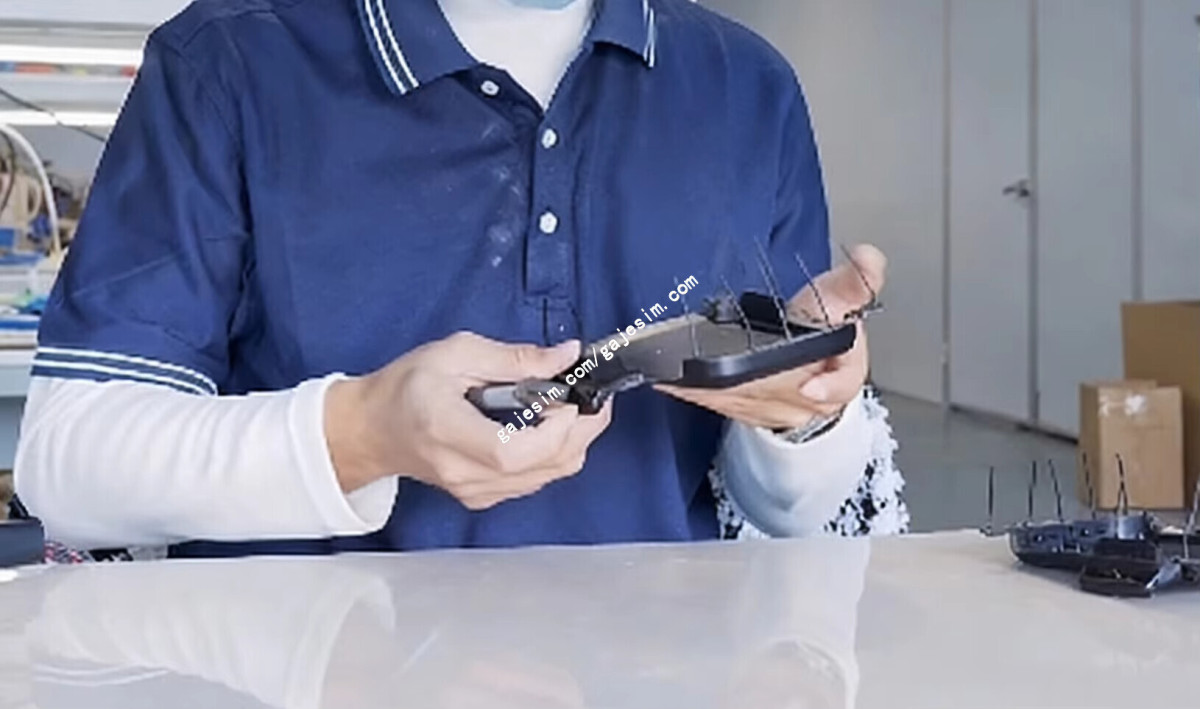
Cure the filled mold in an oven for 1-4 hours,depending on the material.After curing,remove the hardened part from the mold,then trim gates and perform any needed finishing.A single silicone mold typically produces 10 to 20 parts, depending on geometry and resin used.

6.Polish&Finish
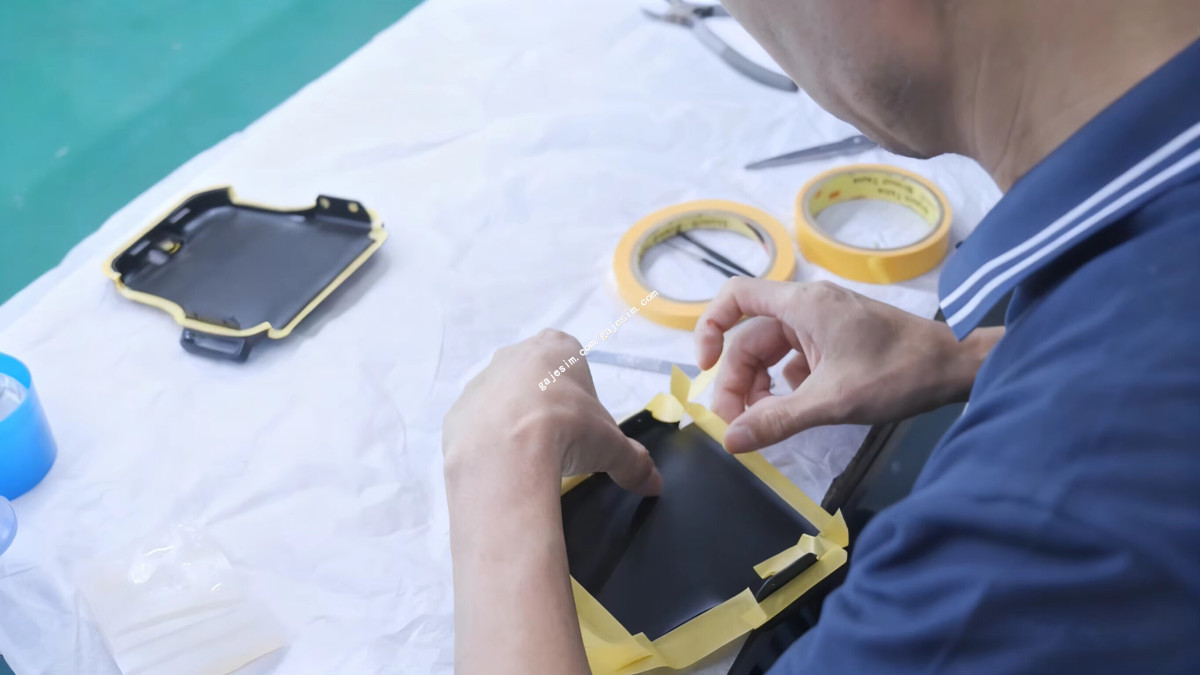
Refine the replica with meticulous handcrafting.We will meticulously polish each piece according to our customers' design requirements.Ensure product quality and appearance meet customer requirements.

7.Quality Control
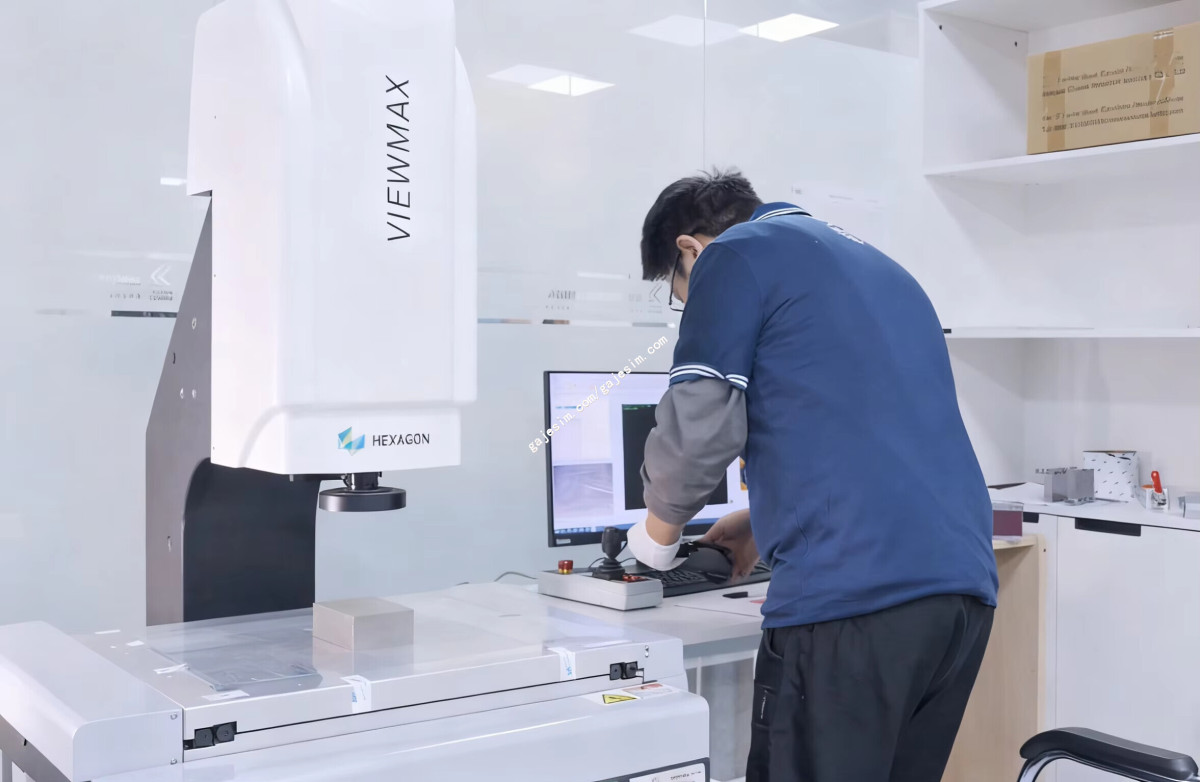
Our operates as an ISO 9001:2015, ISO 13485, ISO14001:2015, and IATF 16949:2016 certified vacuum casting manufacturer.Our quality control covers three critical areas:Dimensional Testing,Visual Inspection,Paint Adhesion Testing.

Vacuum Casting Applications

Custom speaker casings, headphone housings, and limited-edition gadgets.Support automotive aftermarket parts:automotive bumper,hatchback,bonnet.

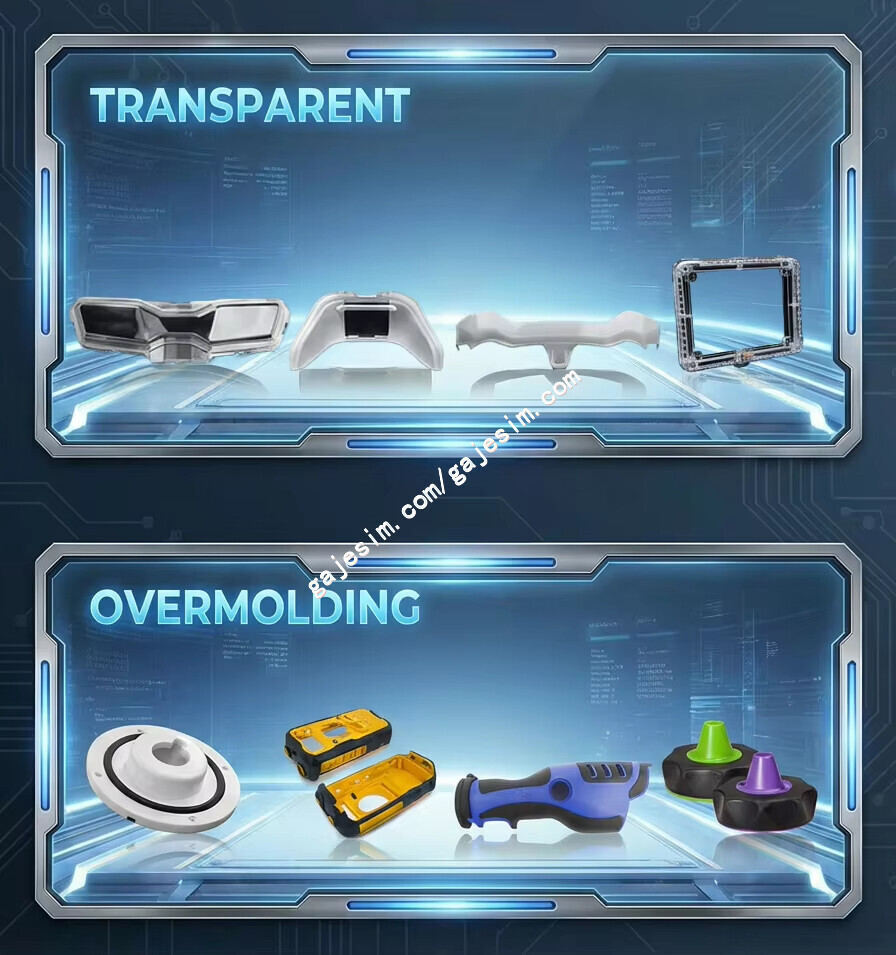
The vacuum casting process supports complex shapes, transparent,undercuts, and insert overmolding,offering excellent design flexibility.

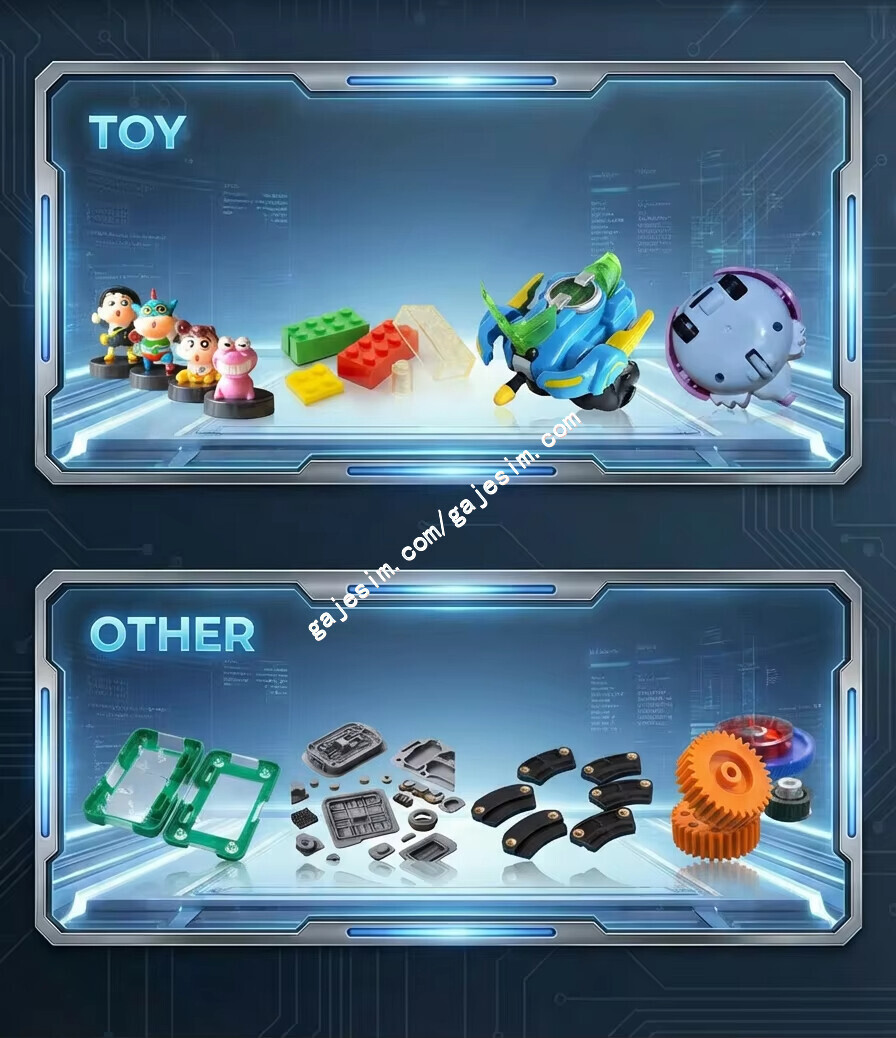
Toy shell,machine guards, control panels, and custom tooling fixtures,control housings, and specialized components requiring flame-retardant properties.
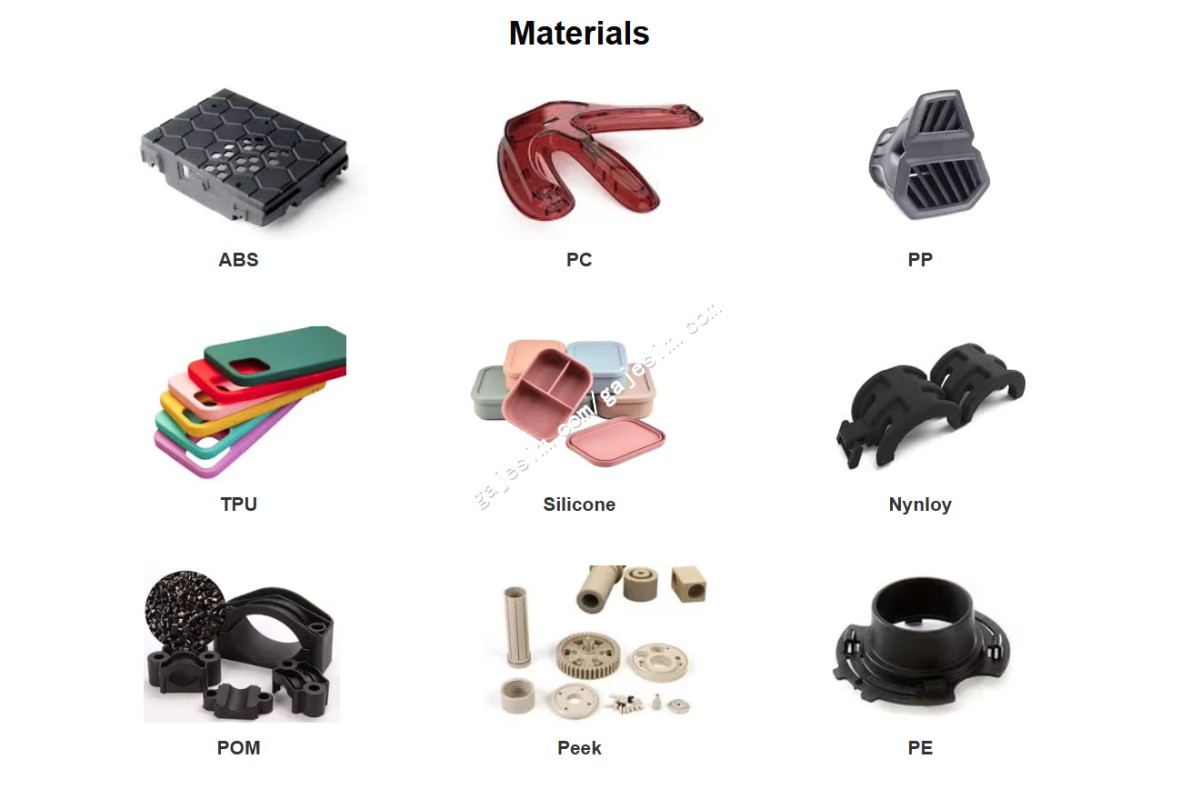
Vacuum Casting Materials

Explore a range of high-quality materials for vacuum casting, tailored to meet your project’s specific needs and performance requirements.
Why choose us?
| Tolerance | At Gajes Mold Technology Co., Ltd. replicated casts follow ISO-2768-CL standards. Local tolerances can reach ±0.15mm, and small holes can achieve up to ±0.10mm precision. |
| Color and Finishing | Supports a wide range of colors, transparency levels, and surface finishes. |
| Maximum Part Size | Up to 2.3 × 1.3 × 0.6 meters. |
| Daily Capacity | Up to 200 pieces per day. |
| Lead Time | Lead time varies based on part complexity and order volume. The full process includes prototype making, silicone mold creation casting, and finishing.Simple single parts can ship in under 7 days, but larger batches may require more time depending on the project. |
If you need high-quality parts fast, without committing to expensive metal molds, Urethane Casting is the solution. It combines the versatility of 3D printing with the quality of injection molding.
At Gajes Mold, we specialize in bringing your complex designs to life with precision and speed.
office@gajesim.com
WhatsApp:+8619198137646
Gajes Mold Technology Co., Ltd.