
Injection molding produces a massive variety of everyday and industrial items. Because the process offers high repeatability, it is ideal for mass production.
1.1 Automotive Parts:Air conditioning evaporator, hood handle, A/B-pillar interior trim panel and cup holders
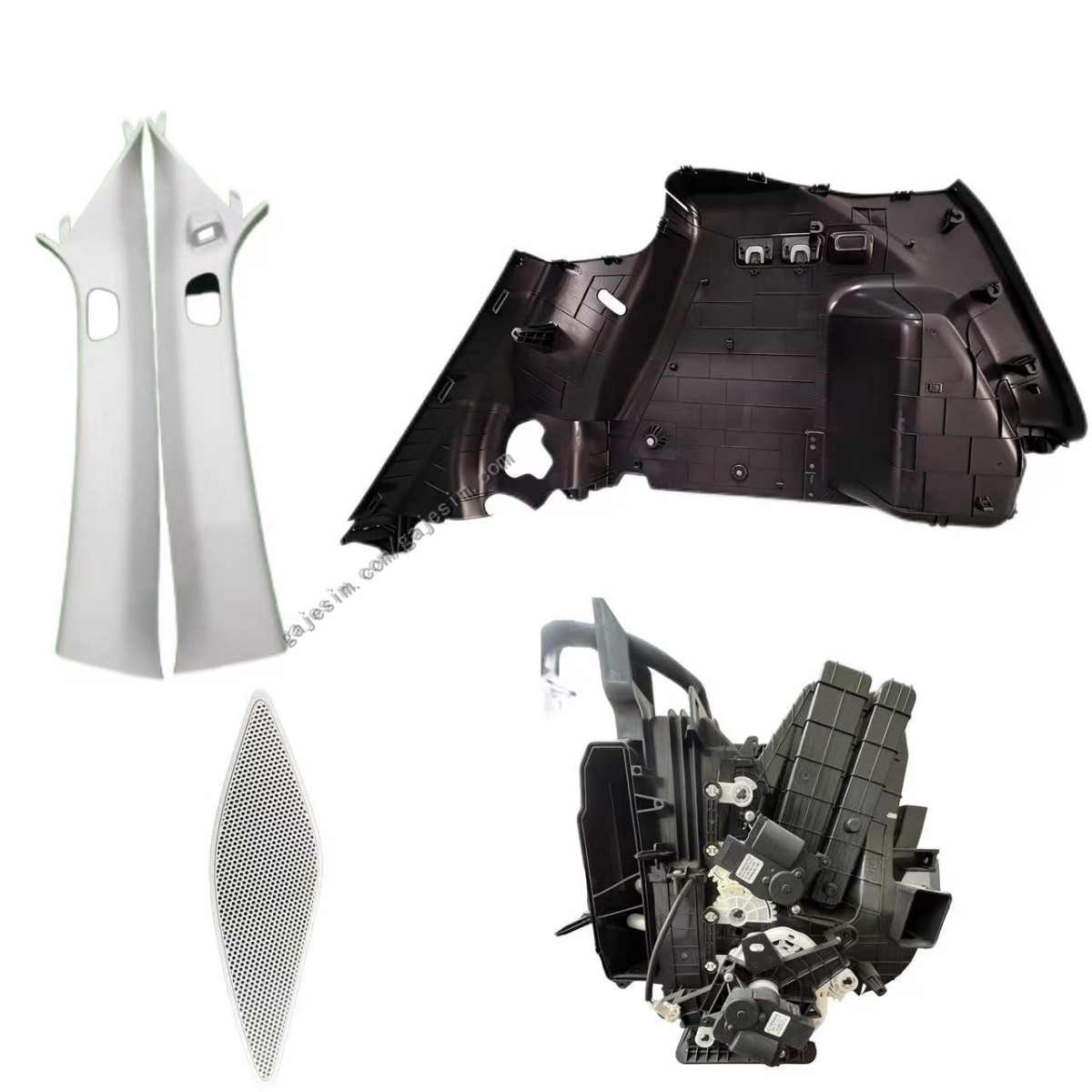
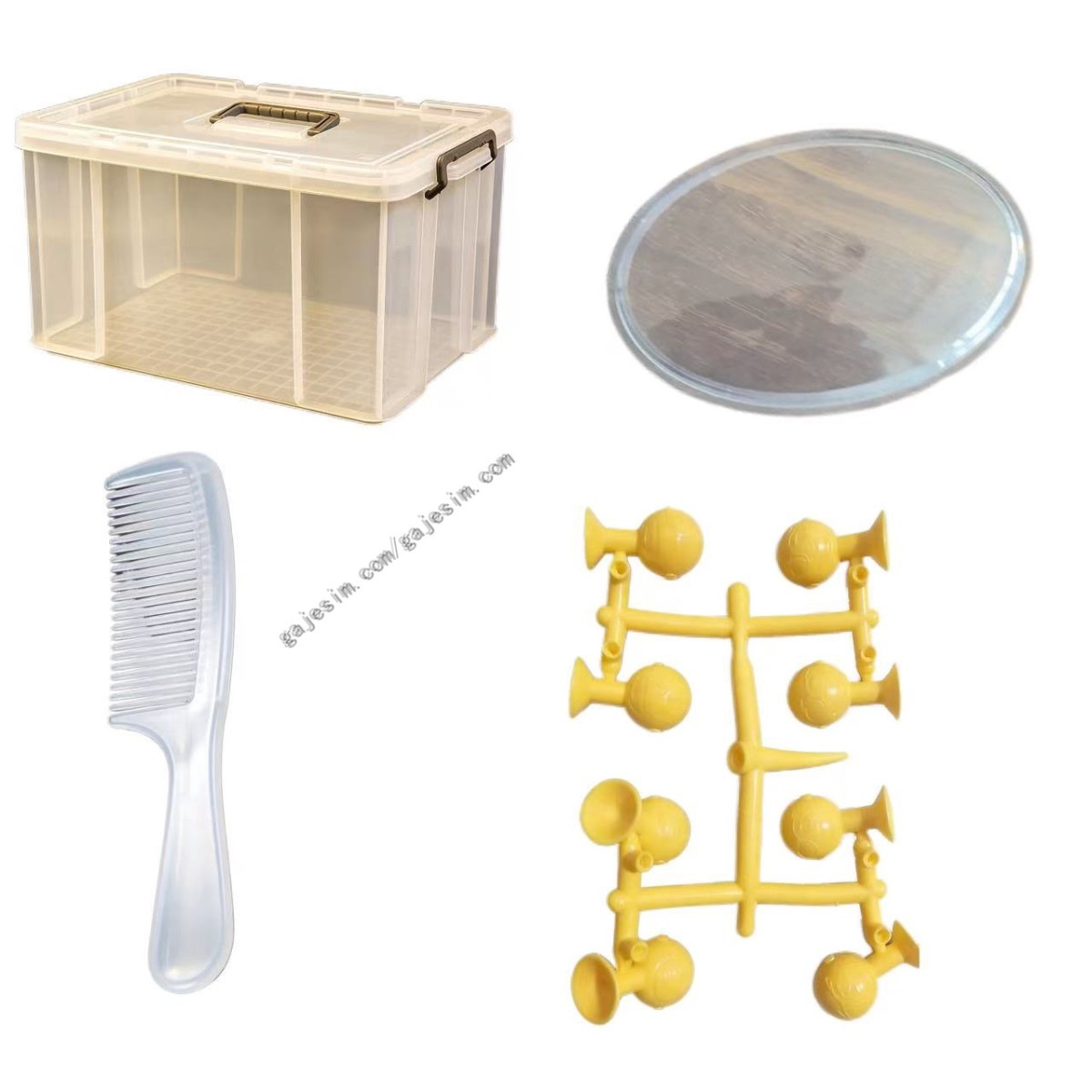
1.2 Consumer Goods: Bottle caps, storage bins, plastic combs, and toothbrushes.
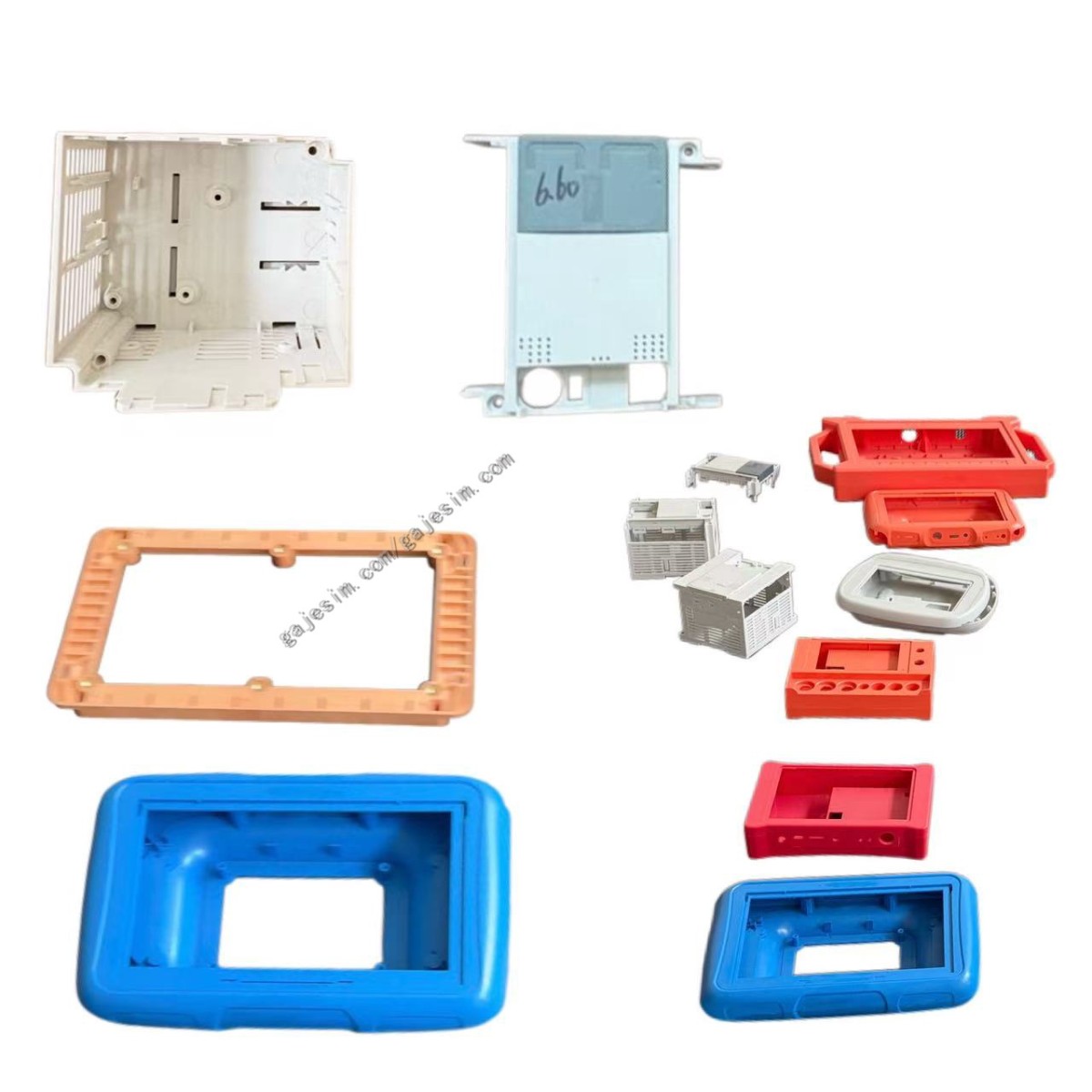
1.3 Electronics: casings of various electronic instruments
2. How to Identify an Injection Molded Object?
You can usually tell if a plastic item is injection molded by looking for three specific physical marks left by the manufacturing process:
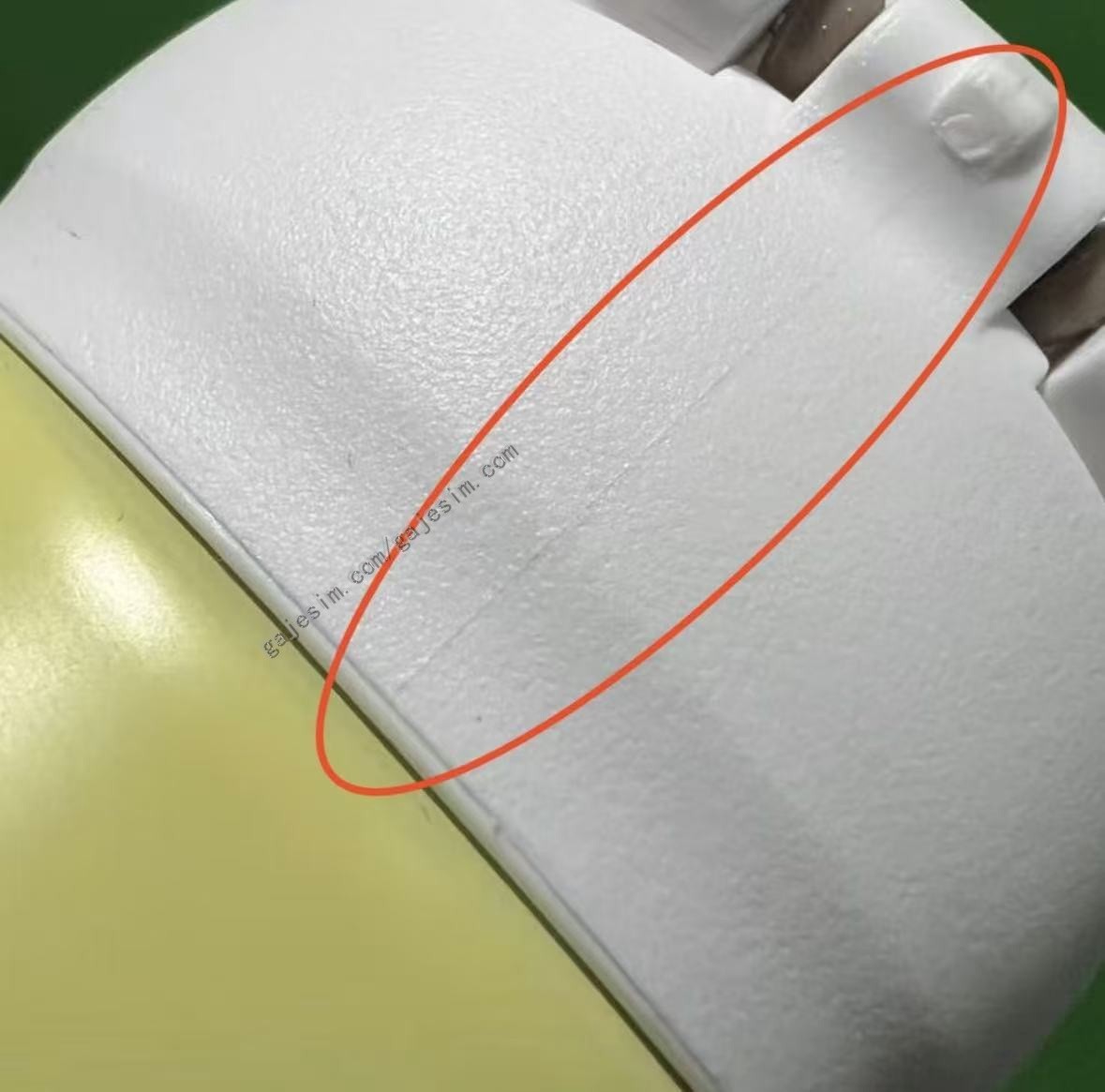
2.1 Parting Line: A thin, straight line running along the outside of the object. This is the seam where the two halves of the metal mold meet.
2.2Ejector Pin Marks: Small, shallow circular dents on the hidden side of the product. These are made by the metal pins that push the solid plastic out of the mold.
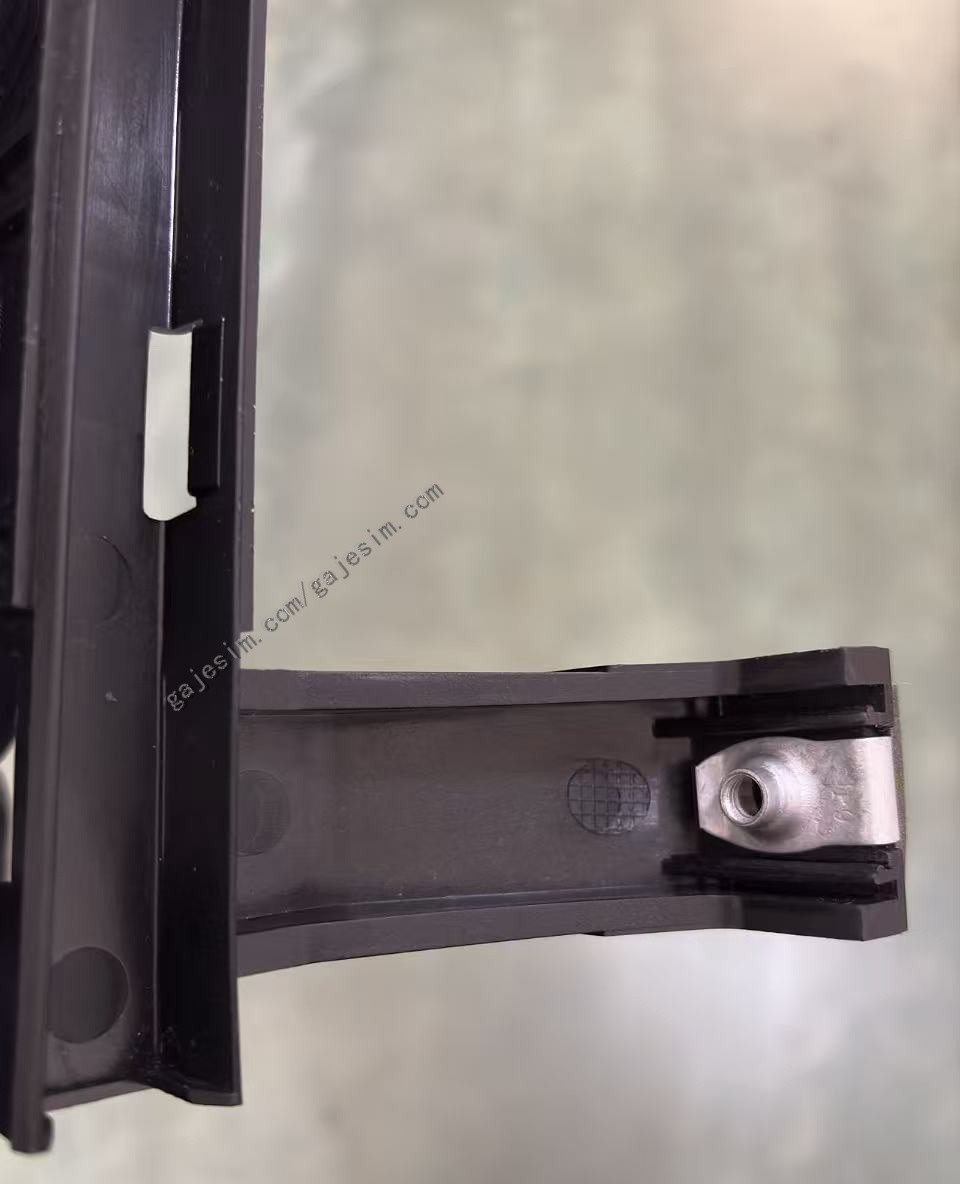
2.3Gate Marks: A tiny rough spot or small bump on the surface. This shows where the melted plastic was originally injected into the mold cavity.
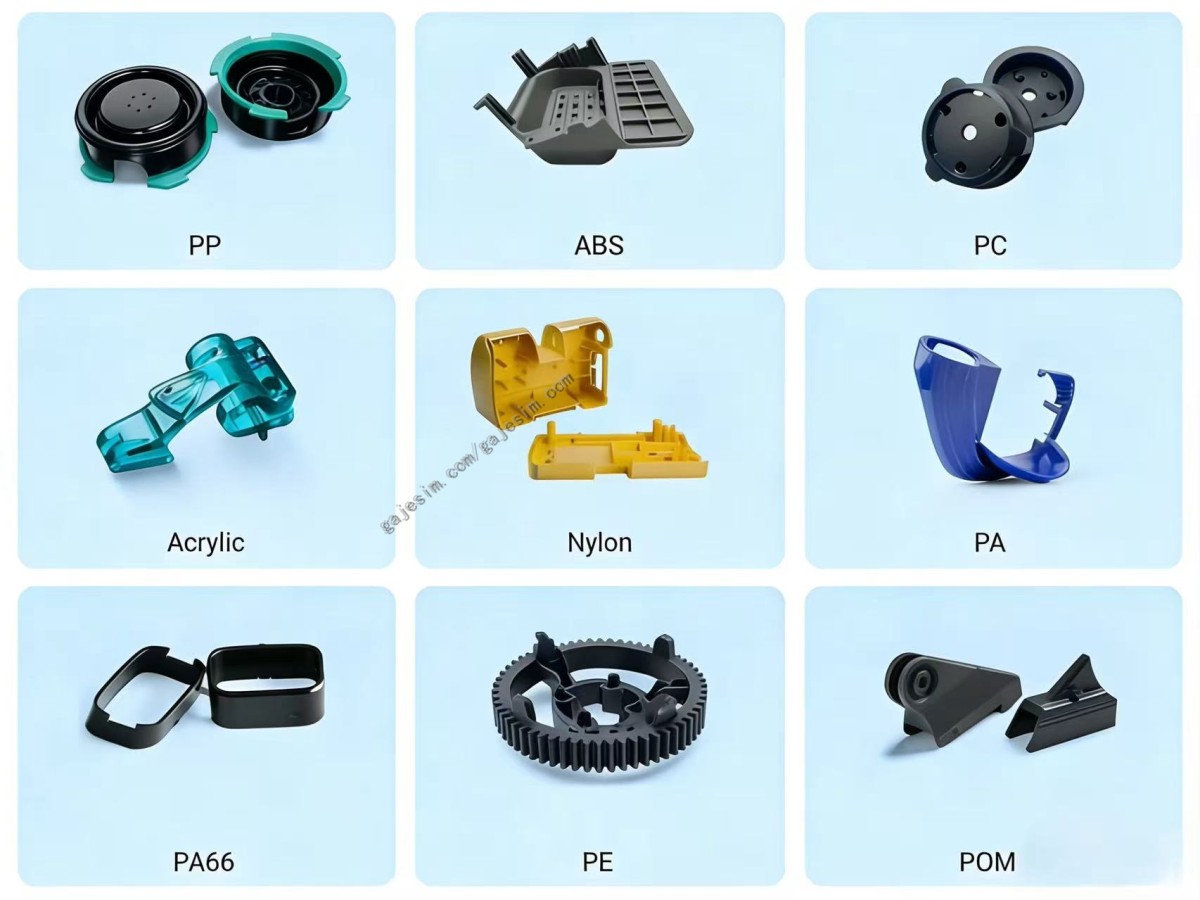
3. The Most Common Injection Molding Plastics
Different products require different physical properties. Manufacturers choose specific plastic polymers based on these needs:
Polypropylene (PP): Highly flexible and resistant to chemicals. It is widely used for food storage containers and bottle caps.
Acrylonitrile Butadiene Styrene (ABS): Known for its toughness and impact resistance. This is the material used to make computer keyboard keys and protective helmets.
Polyethylene (PE): Comes in high-density (HDPE) and low-density (LDPE) forms. It is commonly used for plastic bags, milk jugs, and outdoor playground equipment.
Polycarbonate (PC): A strong, transparent plastic used for safety goggles and CD/DVDs.
4. Is Injection Molding Safe?
Injection molding is safe, but it requires standard industrial precautions.
During production, melting plastics can release volatile organic compounds (VOCs) and fumes. Gajes Mold factory use large exhaust systems to filter the air and protect workers.
For consumers, the final products are completely safe. Plastics used for food and medical supplies, such as Polypropylene (PP), are chemically stable, non-toxic, and heavily regulated by agencies like the FDA to ensure they do not leach harmful chemicals.
5. Knowledge About Mold Making (Tooling)
Before a plastic product can be made, a metal mold (or "tool") must be created. This step requires high precision.
Materials: Molds are usually cut from hardened steel or aluminum. Steel is more expensive but can produce millions of parts before wearing out.
Machining: Molds are carved using CNC (Computer Numerical Control) machines or EDM (Electrical Discharge Machining), which uses electrical sparks to cut complex shapes into the metal.
Cooling Systems: Molds have internal water channels. Cold water pumps through these channels to quickly cool and solidify the hot plastic, reducing production time.
6.Industry Spotlight: Gajes Mold Technology Co., Ltd.
Gajes Mold Technology Co., Ltd. is a practical example of a specialized manufacturer in this field.
Main Products:
The company focuses on a mix of precision automotive components and consumer goods. Their automotive portfolio includes seat handles, engine hood handles, and large components like automotive left and right rear side panels. They also manufacture housings for electronic instruments and various civilian consumer products.And GajesMold has IATF16949 certification
Equipment and Capability:
To handle both small precision parts and massive automotive panels, Gajes Mold operates a diverse range of injection molding machines. They primarily use equipment from Toshiba Machine and Donghua Machinery. Their machines range in clamping force from 45 tons to 2,850 tons. The smaller 45-ton machines are used for small electronics housings, while the massive 2,850-ton machines provide the immense pressure needed to mold large automotive side panels.
Main Focus:
Gajes Mold directs its primary efforts toward the automotive and electronics sectors, providing full-scale solutions from mold design to final plastic part production.
Gajes Mold Technology Co., Ltd.
office@gajesim.com
Tel/Message:+8619198137646/+8619376630771
Navigation
Get Quote